Why Take a Luxor From Hurghada Day Trip?
Luxor in Egypt has always been on my bucket list, and visiting this ancient city was a must-do on our first time in Egypt.
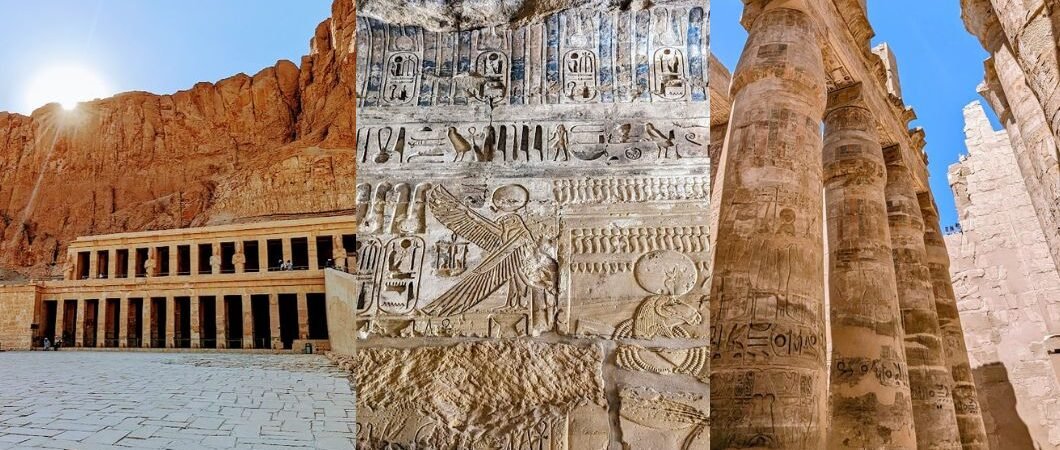
Luxor is home to some of the most iconic ancient Egyptian landmarks, and being there makes you feel like stepping into a living museum.
Although Hurghada is famous for its beaches and resorts, Luxor offers something completely different and worth experiencing.
So, if you’re staying in Hurghada and craving more than just beaches and resorts, then a day trip to Luxor from Hurghada is one of the most unforgettable experiences you can have in Egypt.
Therefore, if you’re passionate about history, culture, or photography like I am, this Luxor from Hurghada day trip is a must-do.
Booking Our Luxor From Hurghada Tour with GetYourGuide
After researching, we decided to book our Luxor day trip from Hurghada through GetYourGuide.
The platform offered excellent reviews, clear itineraries, and competitive prices, which made the decision easier.
Some hotels also offer similar tours; however, we felt more confident booking independently.
In the end, it proved to be a reliable and convenient choice.
Early Morning Departure and Journey to Luxor
What to Expect on the Road
Our day started early, very early. We were picked up from our hotel at 4:00 AM, and after collecting other travellers, we began our journey towards Luxor.
Depending on your hotel, you may receive a packed breakfast box, which is extremely helpful at that hour.
The journey itself lasted around 5 hours, including several security checkpoints.
Fortunately, these were not as intense as those on the road to Cairo.
Pyramids of Giza: Practical Tips For a Visit
However, what truly made the journey special was the scenery.
The road to Luxor from Hurghada is surprisingly beautiful, and watching the sunrise from the bus was a memorable experience.
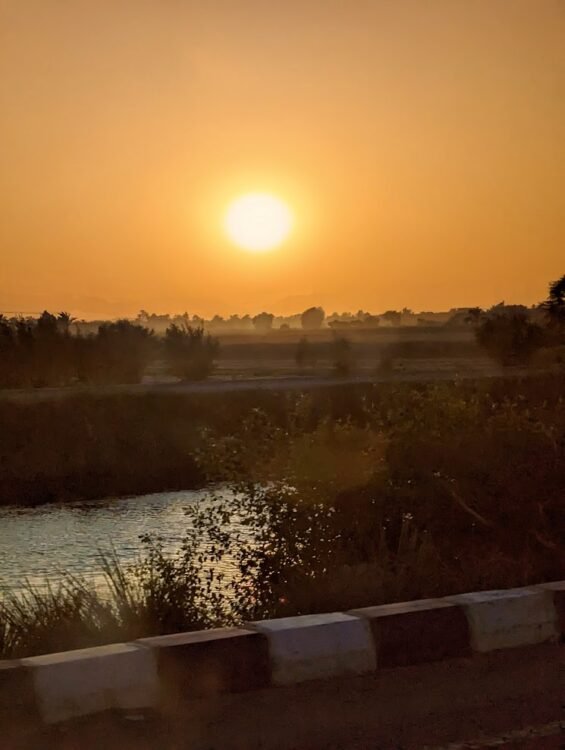
As we approached the Nile River, the landscape transformed completely.
You start to see donkeys carrying goods, locals moving through villages, and lush greenery stretching along the riverbanks.
At that moment, it genuinely felt like stepping into a biblical scene, raw, authentic, and unforgettable.
Exploring the Majestic Karnak Temple
A Walk Through Ancient History
Our first stop in Luxor was the breathtaking Karnak Temple, and honestly, words don’t quite do it justice.
Karnak is the largest religious complex ever built, developed over more than 2,000 years and mainly dedicated to the god Amun.
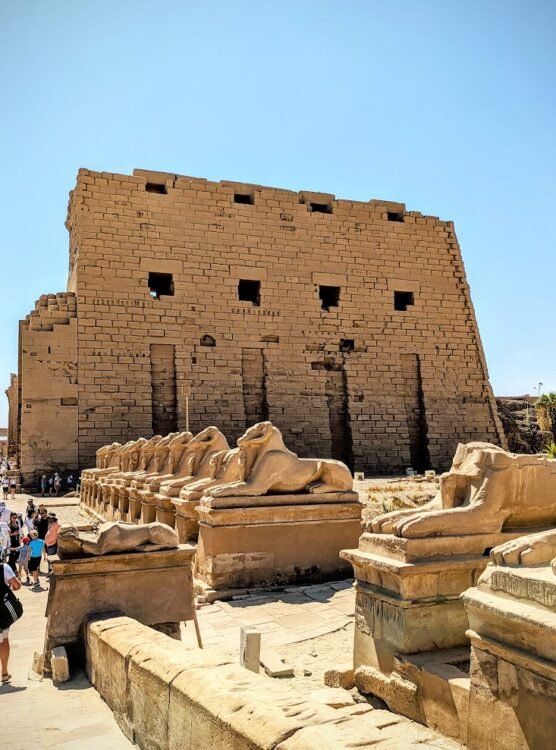
As you enter, you are greeted by a grand avenue lined with ram-headed sphinxes, symbolising protection and divine power.
One of the most impressive areas is the Hypostyle Hall, a vast corridor filled with 134 enormous columns, some reaching up to 21 metres high.
Every column is covered in intricate carvings and hieroglyphs that tell stories of pharaohs, battles, and religious rituals.
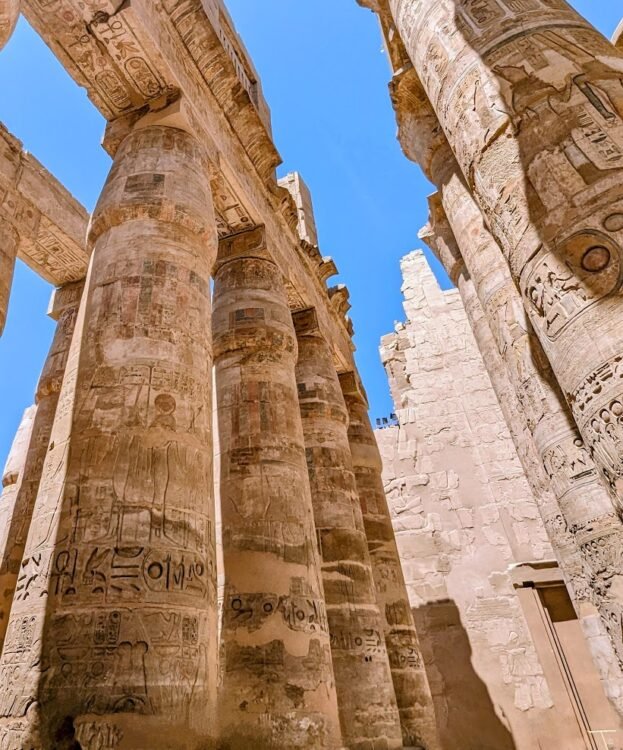
Despite being thousands of years old, many of these carvings still retain their original colours, which makes the experience even more surreal.
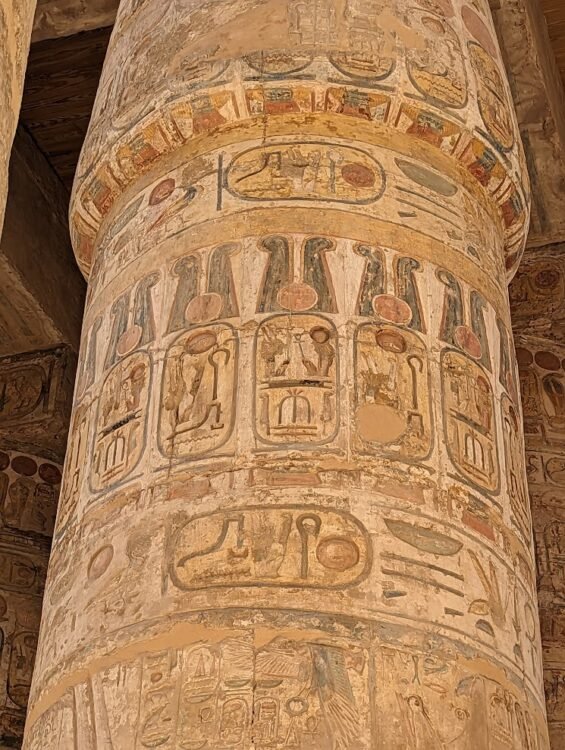
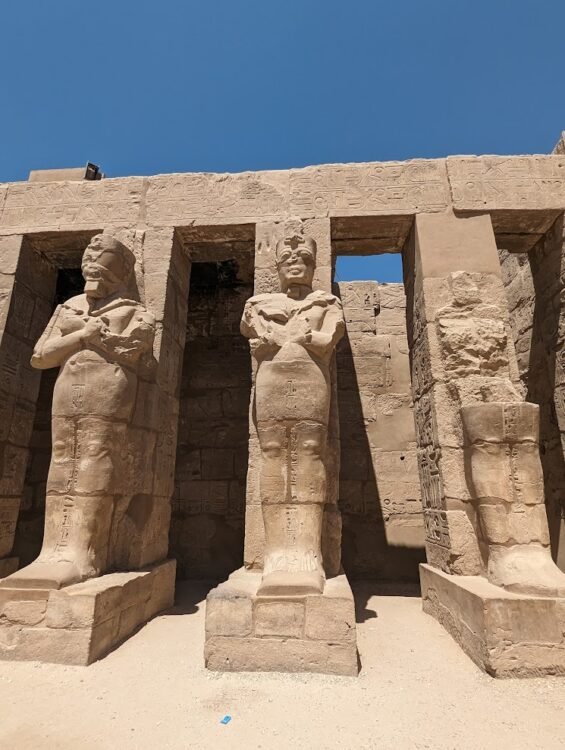
Throughout the temple, you’ll also encounter statues of important pharaohs, including Ramses II and Seti I.
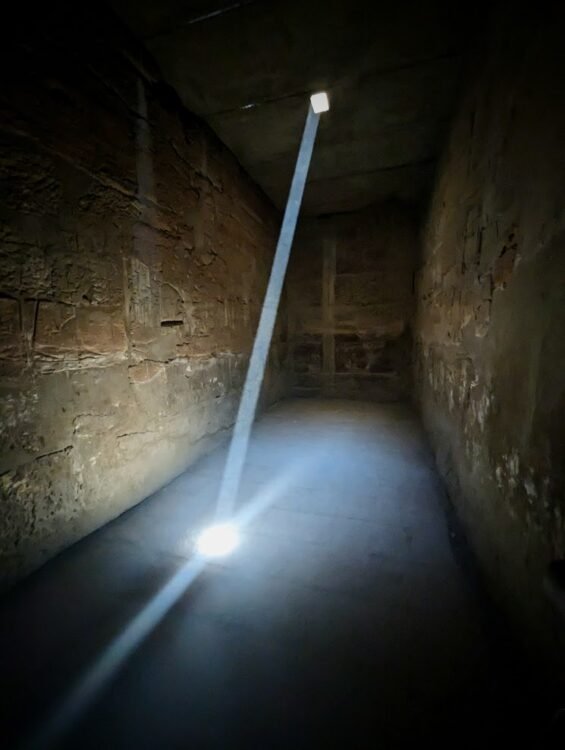
At one point, we even stepped into a dark chamber that functioned almost like an ancient solar calendar, where sunlight would enter in a specific way to mark time, an incredible example of early engineering and astronomy.
After a detailed explanation from our guide, we had about one hour to explore on our own.
Despite it feeling a bit short, it was understandable given the tight schedule of a day trip.
However, if you plan to visit without an excursion, dedicate a day to visiting and exploring this incredible gem of ancient Egyptian History.
Guided Tour and Free Time at Karnak Temple
After a detailed and fascinating historical explanation from our guide, we were given about an hour to explore the temple on our own. Even though at first I felt this wasn’t quite enough time, especially considering the impressive size and significance of the Karnak Temple, I also understood that, since this is a Luxor from Hurghada day trip, everything needs to run on a tight schedule.
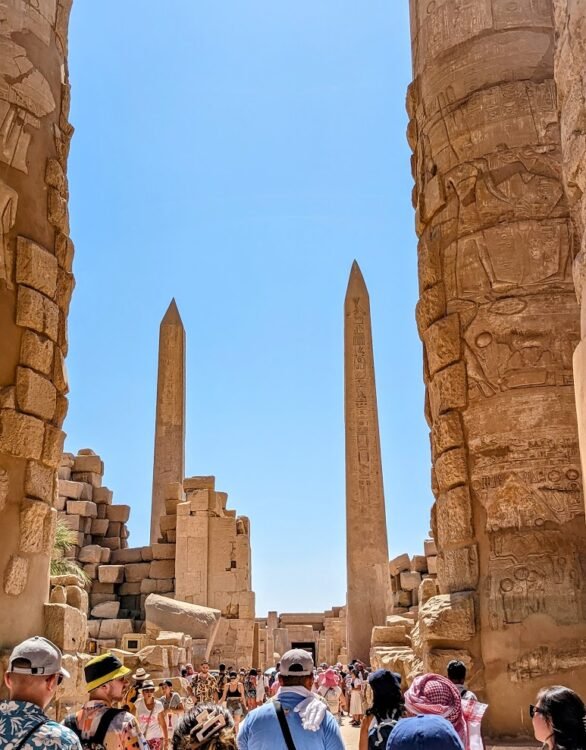
That said, even within that short window, the experience felt incredibly immersive.
Every corner of the temple reveals something new, and the scale alone is enough to leave you mesmerised.
Lunch Break: A Quick Stop
After leaving Karnak Temple, we headed to a local restaurant where lunch was included in the tour.
While the convenience was appreciated, I have to be honest, the food wasn’t to my taste.
That said, this didn’t take away from the overall experience, and it’s something to keep in mind rather than a deal-breaker.
Sailing the Nile: A Must-Do Experience
East vs West Bank: Life and Death in Ancient Egypt
After lunch, we had the option to take a short cruise along the Nile River. This was an extra cost, but completely worth it.
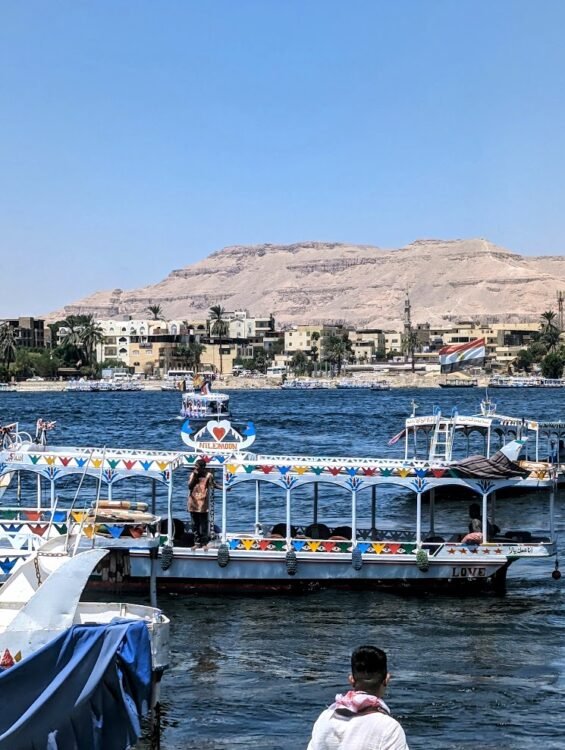
From the boat, you can clearly see how Luxor is divided into two symbolic sides:
- East Bank (Land of the Living) – Associated with sunrise, life, and rebirth, where temples like Karnak Temple are located
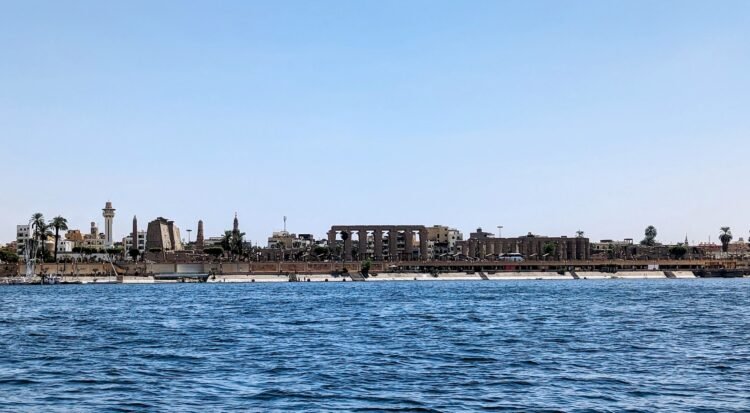
- West Bank (Land of the Dead) – Associated with sunset and the afterlife, home to the Valley of the Kings
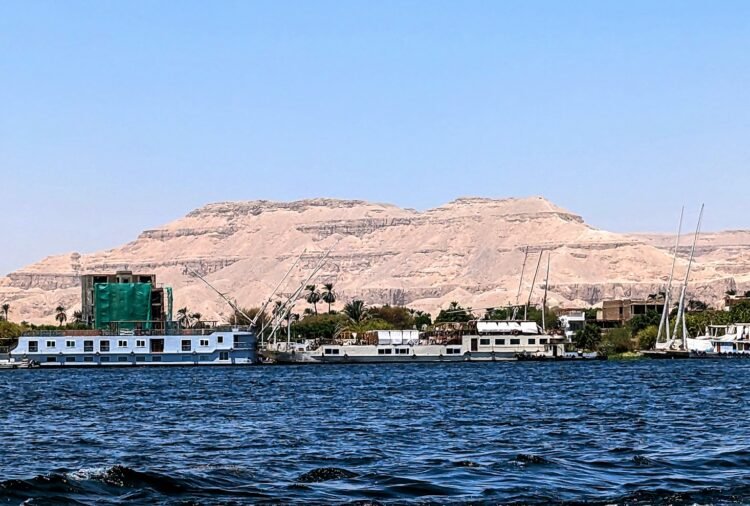
The cruise lasted about one hour, and the views were stunning from both sides.
More importantly, it offered a peaceful break from the busy itinerary.
Alternatively, you can stay on the bus and cross via the only bridge located in the city.
However, due to traffic, this can take just as long, if not longer. Honestly, I would choose the cruise every time.
Valley of the Kings: Entering the Afterlife
Inside the Tombs of the Pharaohs
Once we finished the cruise, we headed straight to the legendary Valley of the Kings.
After passing security, you’re transported by small electric carts to the tomb entrances, which already adds to the excitement.
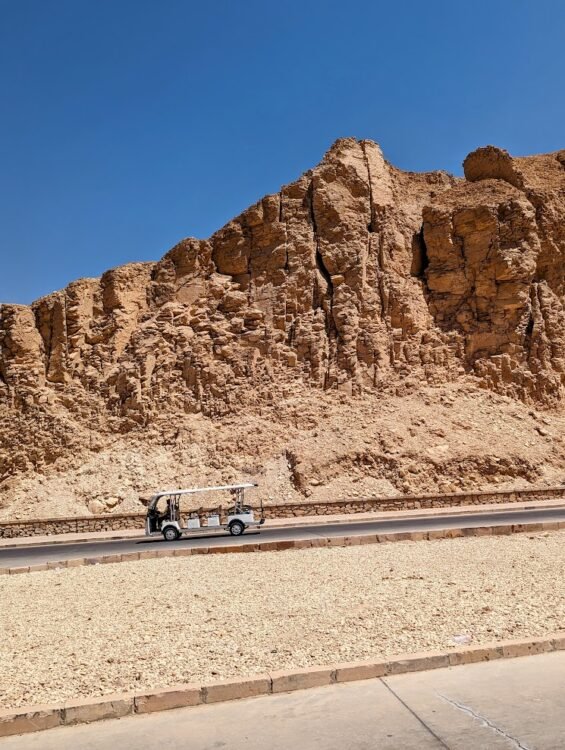
Here, you get the opportunity to visit several royal tombs (usually 3 included in standard tickets). Commonly open tombs include:
- Tomb of Merenptah
- Tomb of Ramses III
- Tomb of Ramses IV
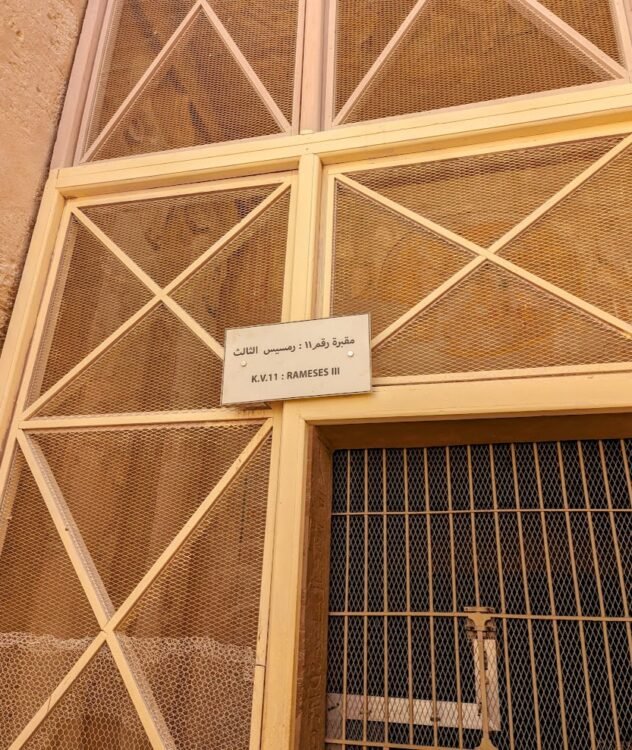
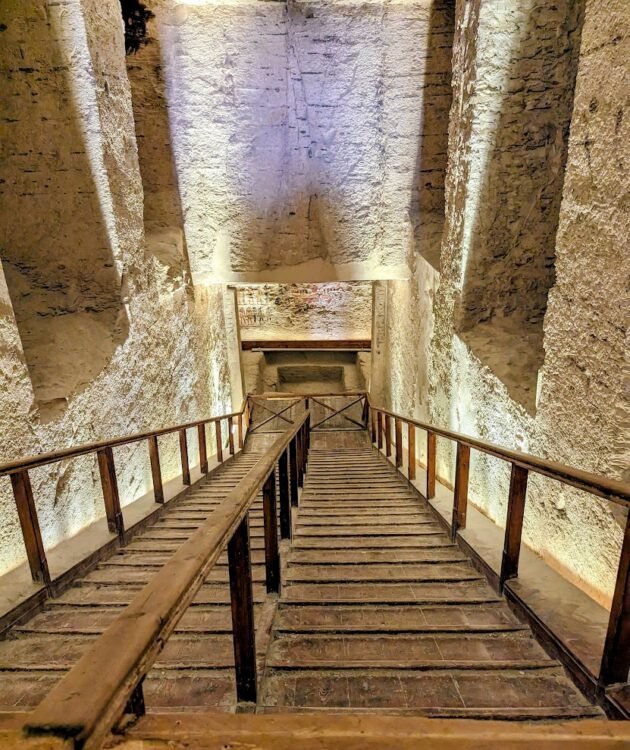
From the tomb’s entrance, you walk down narrow corridors carved deep into the rock, leading into underground burial chambers.
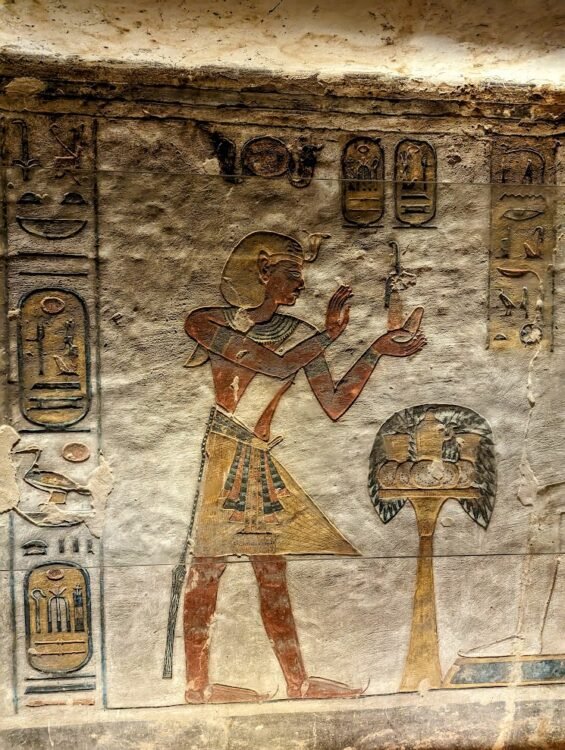
Each tomb is decorated with vibrant paintings and hieroglyphs that have survived for thousands of years.
Despite being thousands of years old, the interiors are incredibly well-preserved.
These artworks tell the story of the pharaoh’s journey to the afterlife.
These include scenes from sacred texts like the Amduat and the Book of the Dead, which guided the soul through the underworld.
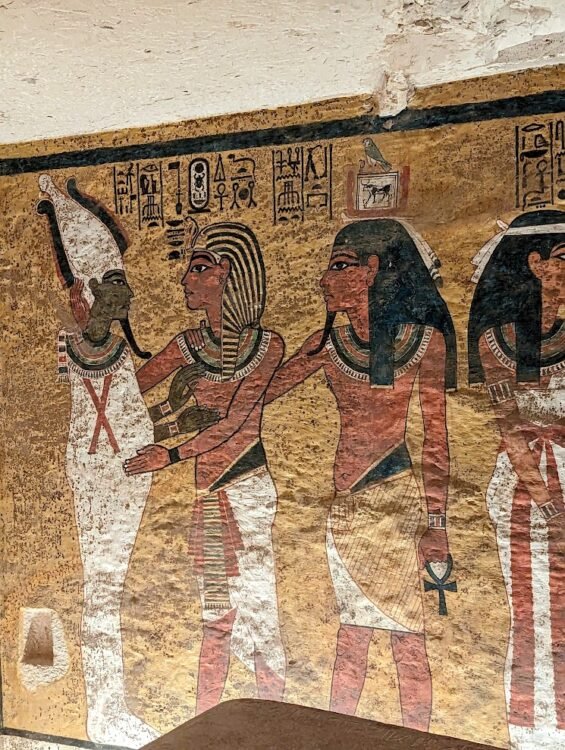
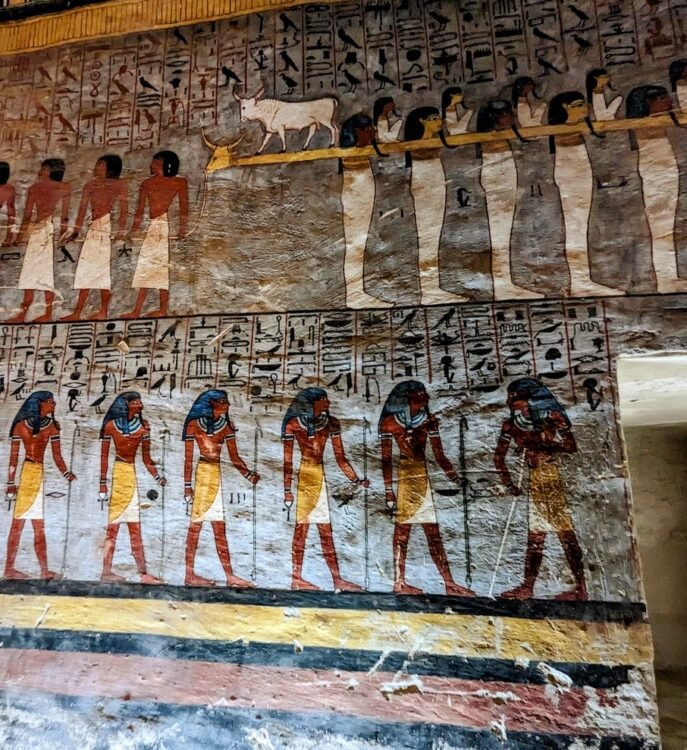
What’s fascinating is that these paintings weren’t just decorative; they were believed to be essential for the pharaoh’s rebirth in the afterlife.
Optional Visit: Tomb of Tutankhamun
For an additional fee (which I highly recommend booking in advance), you can visit the iconic tomb of Tutankhamun.
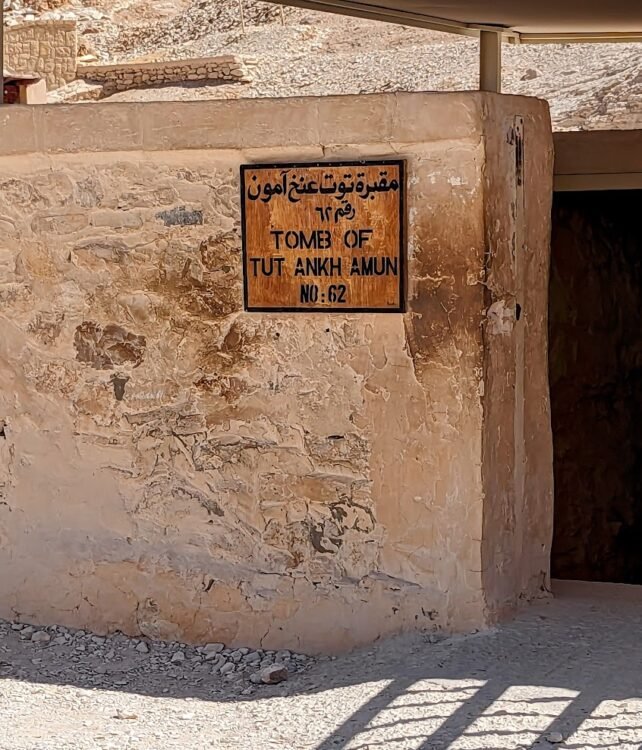
Tutankhamun, also known as the “Boy King,” became pharaoh at just 9 years old and ruled during the 18th Dynasty.
His tomb, discovered in 1922 by Howard Carter, is one of the most famous archaeological finds in history because it was found almost completely intact.
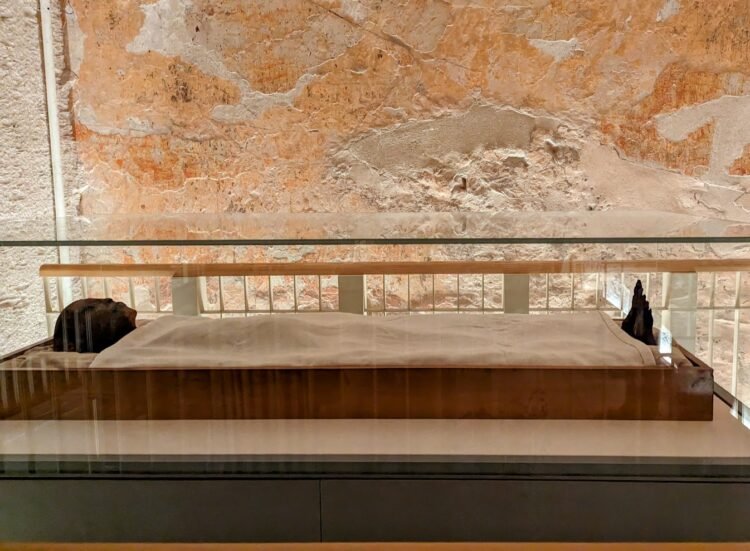
Inside, you can actually see his mummified body, which is incredibly well preserved. The tomb itself is smaller compared to other tombs, but the experience is powerful and deeply moving; a once-in-a-lifetime moment.
Temple of Hatshepsut: A Hidden Gem
After the Valley of the Kings, we visited the extraordinary Temple of Hatshepsut at Deir el-Bahari.
Queen Hatshepsut was one of the few female pharaohs in ancient Egypt, and her temple reflects her ambition and vision.
The temple was built directly into towering limestone cliffs, and the structure is absolutely breathtaking.
Depending on the time of day, the sunlight gives the temple a beautiful golden tone, making it even more magical.
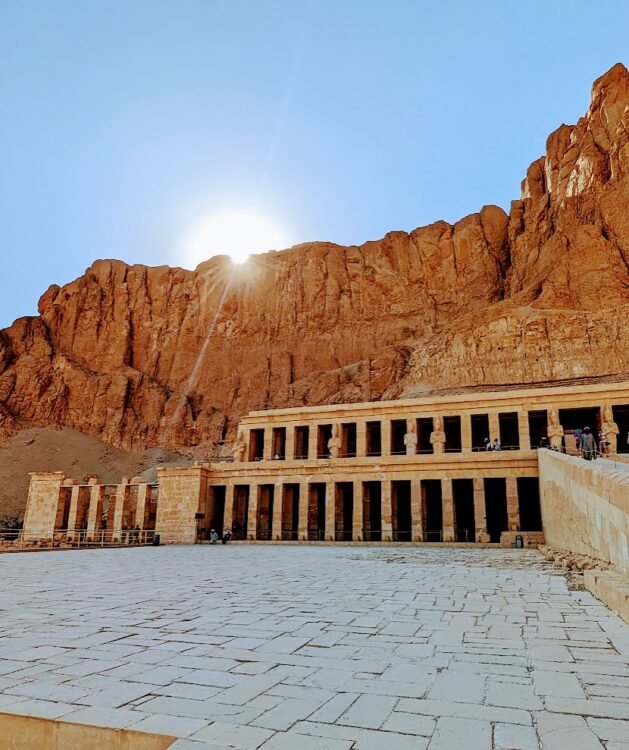
Hatshepsut’s design is both elegant and powerful.
It features three large terraces connected by ramps, perfectly aligned with the surrounding landscape.
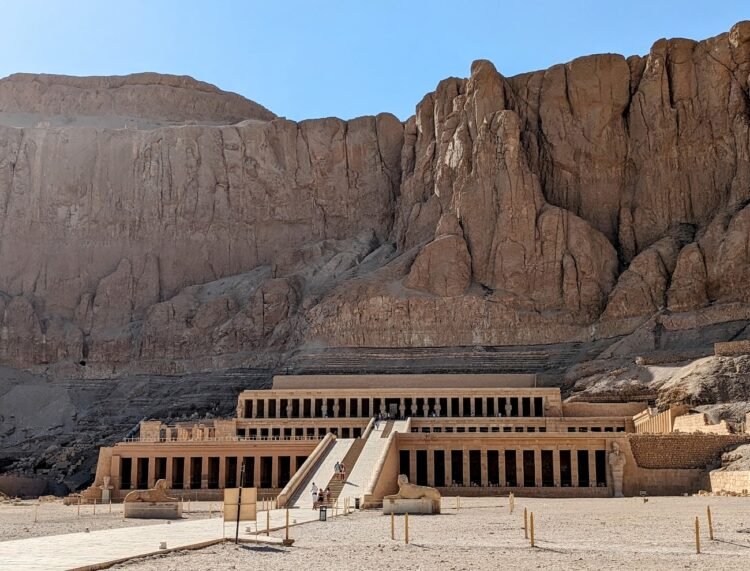
The inside of the Temple of Hatshepsut is just as fascinating as its exterior.
While parts of the temple were damaged over the centuries, many carvings and reliefs are still remarkably well preserved.
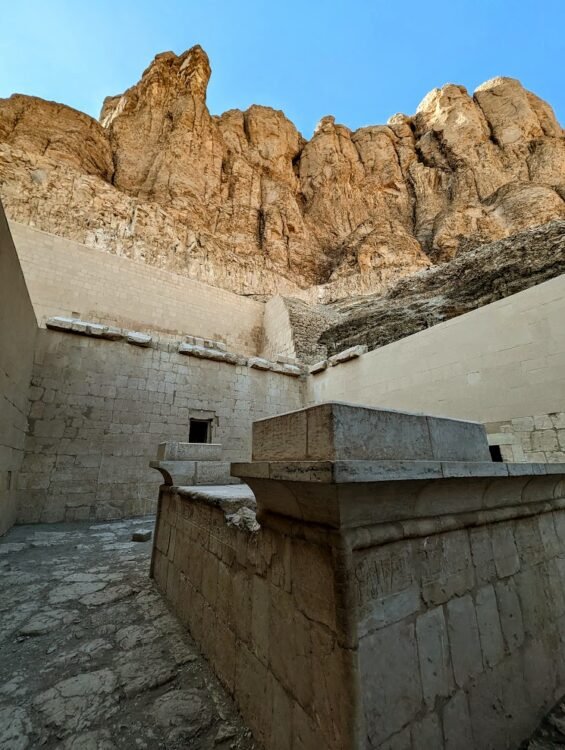
As you walk through the temple, you’ll notice detailed wall carvings telling the story of Hatshepsut’s reign, her achievements, and her divine birth.
One of the most famous sections illustrates her expedition to the mysterious Land of Punt, believed to have been a major trading mission that brought back exotic goods, incense, and rare plants to Egypt.
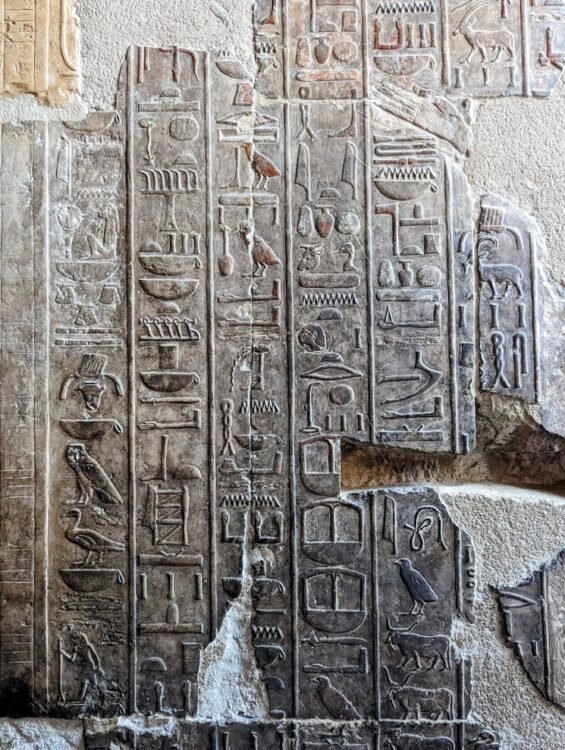
What makes this temple even more impressive is the contrast between the elegant architecture and the dramatic cliffs surrounding it.
Standing inside, you can truly appreciate the intelligence, ambition, and power behind one of ancient Egypt’s most extraordinary rulers.
Colossi of Memnon: The Final Stop
To end the day, we stopped at the iconic Colossi of Memnon.
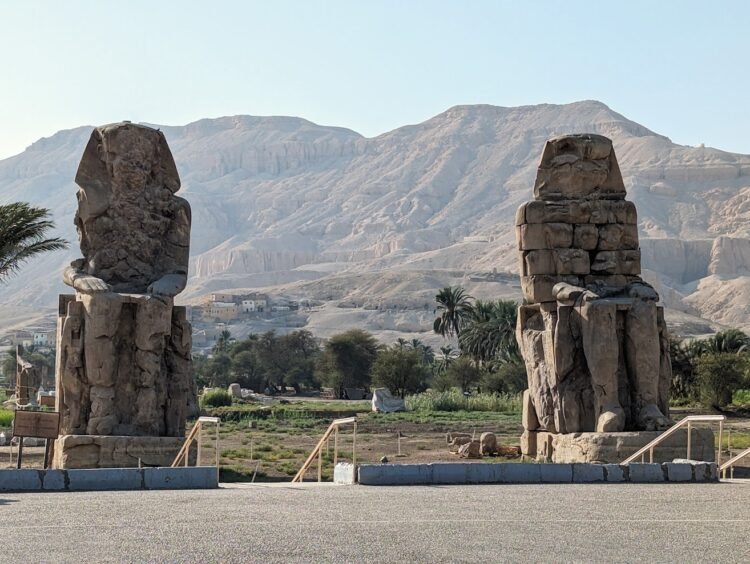
These two massive statues represent Pharaoh Amenhotep III and have stood for over 3,400 years.
They once guarded a vast temple complex, most of which no longer exists today.
Although it’s a short stop, their scale and history make them incredibly impressive and an unforgettable photo opportunity.
The Journey Back to Hurghada
After such an incredible day, we said goodbye to our guide and began the long journey back to Hurghada, arriving late in the evening.
Yes, it’s a long and tiring day, but it’s absolutely worth it.
Important Travel Tips for Your Luxor from Hurghada Trip
Avoid Peak Summer Heat
We visited in August, and the heat was intense. If possible, plan your trip between October and April for a more comfortable experience.
Book Extras in Advance
Experiences like Tutankhamun’s tomb and the Nile cruise are worth it, but plan before going to avoid missing out.
Bring Cash
Although some places accept cards, tips, small purchases, and extras often require cash.
What to Wear
Because temperatures can rise quickly, lightweight clothing is essential. However, it’s also important to dress respectfully, especially when visiting cultural and historical sites.
Consider Staying Overnight
If you have the time, staying longer in Luxor allows you to explore at a slower pace, take multiple cruises, and even enjoy a hot air balloon ride at sunrise over the Valley of the Kings.
So, if you have the chance to stay longer in Luxor, take it. Because this city deserves more than just one day.
Final Thoughts: Is the Luxor From Hurghada Day Trip Worth It?
In short, yes, 100% worth it.
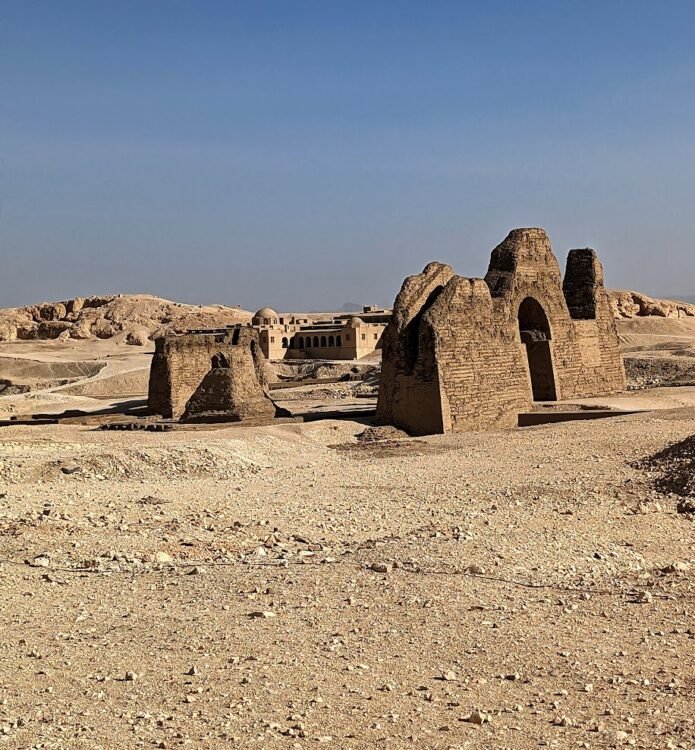
This Luxor from Hurghada day trip was one of the most memorable experiences of our time in Egypt.
From ancient temples to royal tombs and peaceful moments on the Nile, it truly felt like travelling back in time.
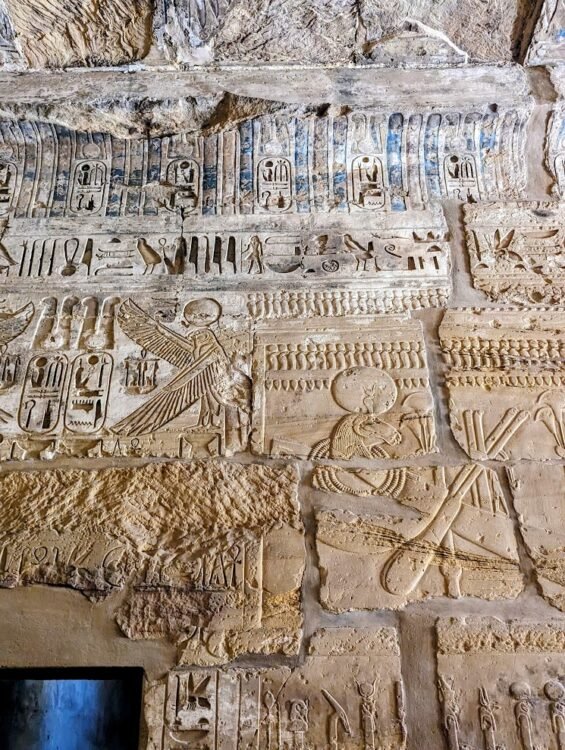
Even though it’s a long and sometimes tiring day, the chance to explore ancient temples, royal tombs, and historical landmarks in just one trip makes it worthwhile.
Additionally, if you’re short on time in Egypt, this is one of the best ways to experience Luxor without changing hotels. It is an experience of a lifetime and absolutely worth doing.