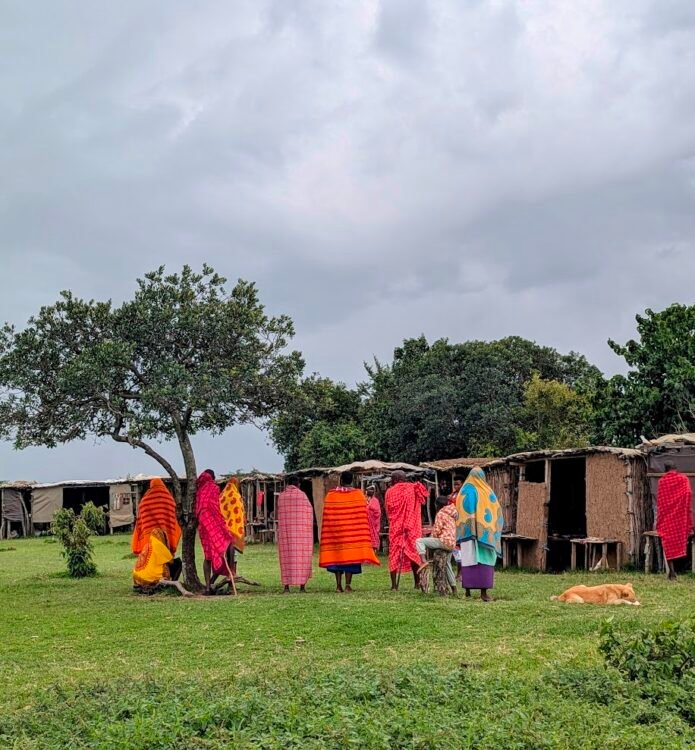
Visiting a Traditional Maasai Village in Kenya: What to Expect
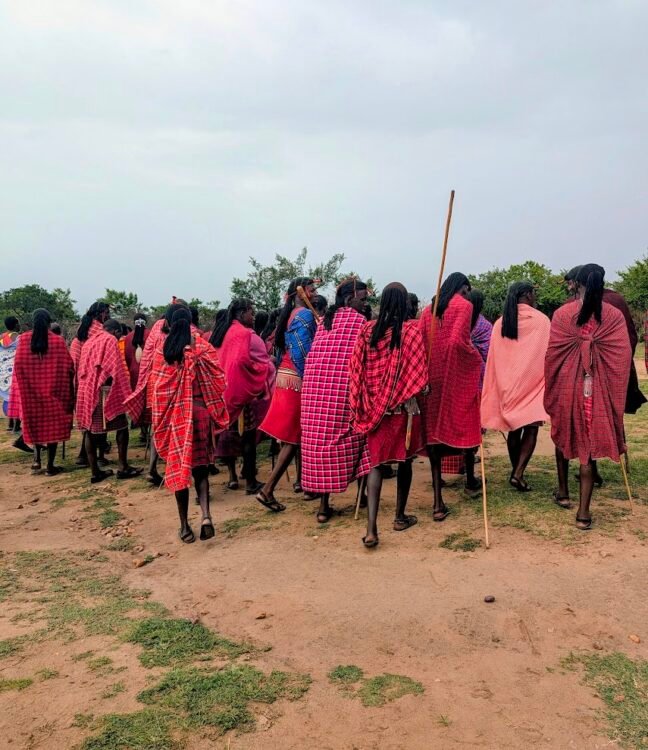
Visiting a Maasai village had been on my Kenyan bucket list for years, and finally experiencing it on our first day in the Maasai Mara National Reserve felt incredibly special.
The visit itself is relatively short, but still offers a glimpse into a fascinating and deeply rooted culture.
A Warm and Energetic Welcome
Upon arrival, we paid the $25 per person entrance fee. Unlike many attractions in Kenya, there was no reduced price for children.
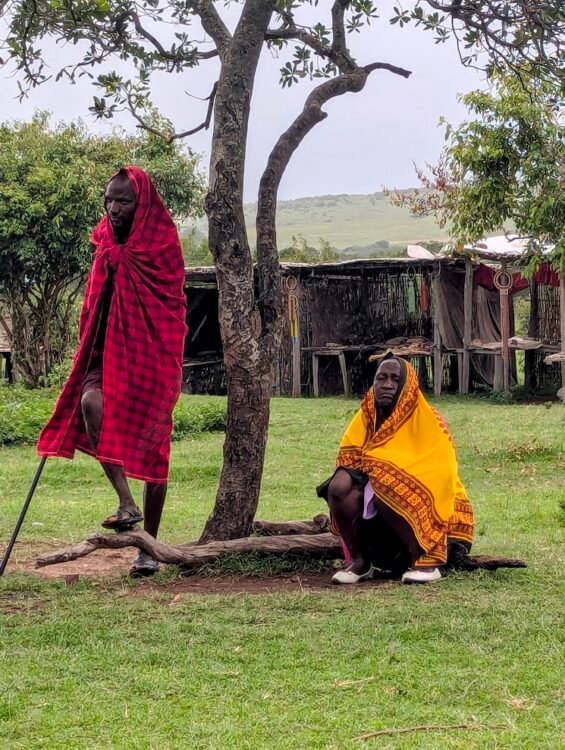
Before even stepping into the village, we were greeted by the entire community, men and women, with a vibrant welcome of singing and dancing. The energy was contagious as they moved rhythmically towards us, creating a truly memorable first impression.
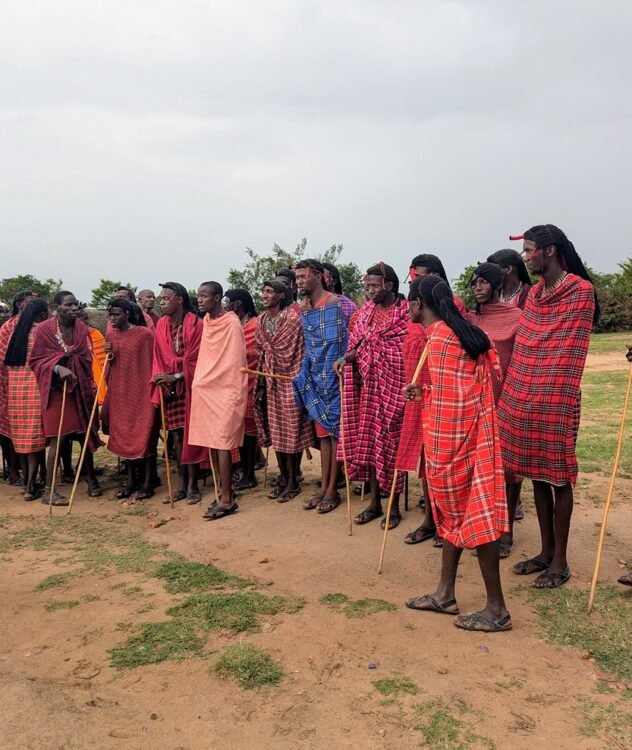
We then entered the village through a narrow pathway that opened into a central gathering space.
Understanding Maasai Traditions
Once inside, the group shared insights into their culture and traditions. One of the most fascinating aspects was the famous Maasai jumping dance, also known as Adumu.
Men perform this traditional dance, and it is much more than just a display; it is a symbol of strength, endurance, and attractiveness. The higher a man can jump without touching the ground, the more admired he is within the community. It is often associated with rites of passage and social status.
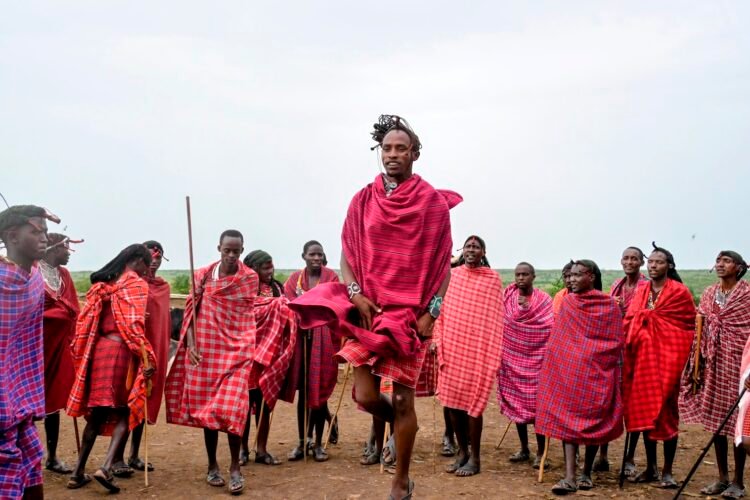
After watching their impressive jumps, we were invited to join in. I couldn’t resist; this had been on my personal list of experiences with the Maasai people, and it was both fun and humbling!
Meeting the Women of the Village
After the men’s performance, the women welcomed us with their own songs and dances. One by one, each woman came forward to greet us with a handshake; a simple yet meaningful gesture that made the experience feel more personal.
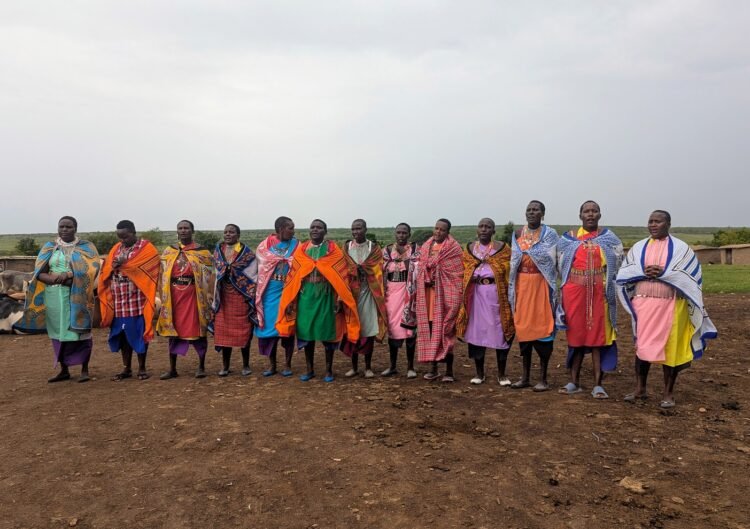
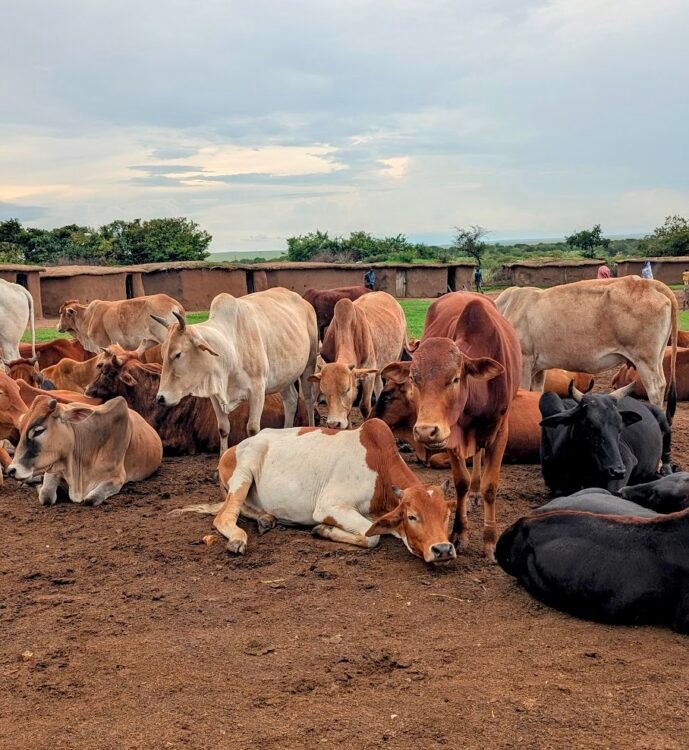
They explained that wealth in their culture is measured by the number of cattle a family owns, highlighting the deep connection between the Maasai people and their livestock.
The Fire-Making Demonstration
After the jumping ceremony, we were shown how the Maasai traditionally make fire, a skill that has been passed down through generations.
They demonstrated how to create fire using two pieces of wood, rapidly rubbing them together to generate heat and sparks through friction. It was fascinating to watch how quickly they could produce smoke and eventually a flame using such simple, natural materials.
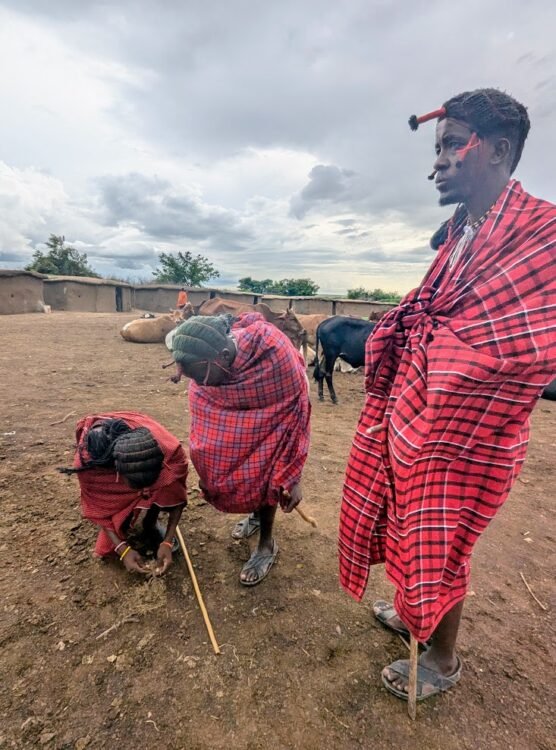
In some cases, dried animal dung (often from cows) can be used as fuel or tinder to help sustain the fire once it starts, as it burns slowly and steadily. This reflects the Maasai’s resourcefulness and deep understanding of their environment.
Inside a Traditional Maasai Home
Next, we were paired with a Maasai guide and invited into a traditional home.
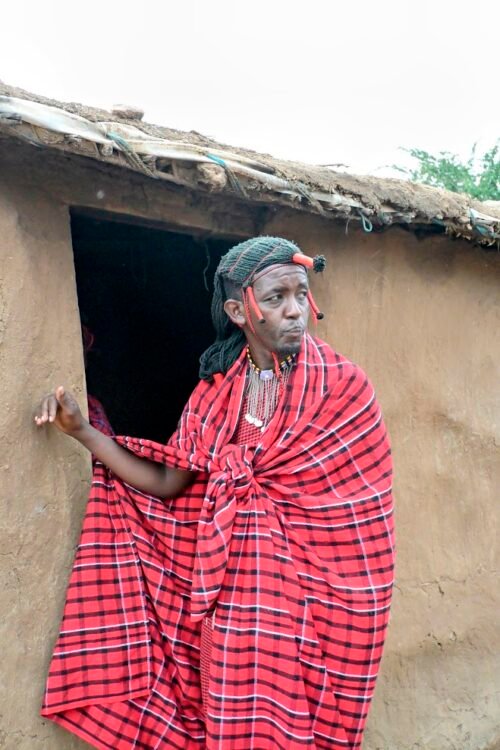
These houses are built by the women, and they are made using natural materials such as wood, mud, grass, and cow dung, which acts as a binding and insulating material. The structures are designed to be practical, durable, and well-suited to the environment.
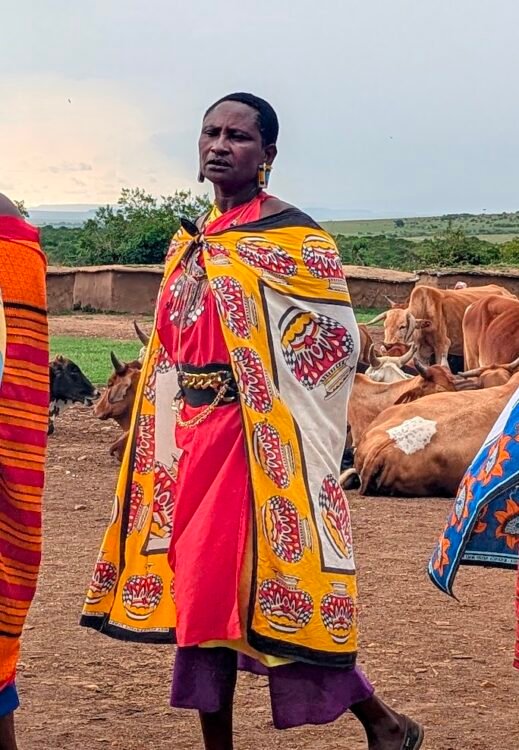
Stepping inside was eye-opening.
The house was small, dark, and compact, with very little natural light entering through a small opening in the wall. Inside, everything serves a purpose:
- A fire on the ground where meals are prepared by the women
- A small sleeping area for children
- Simple seating spaces forming what they referred to as a “living room”
- A curtained-off section separating the parents’ sleeping area
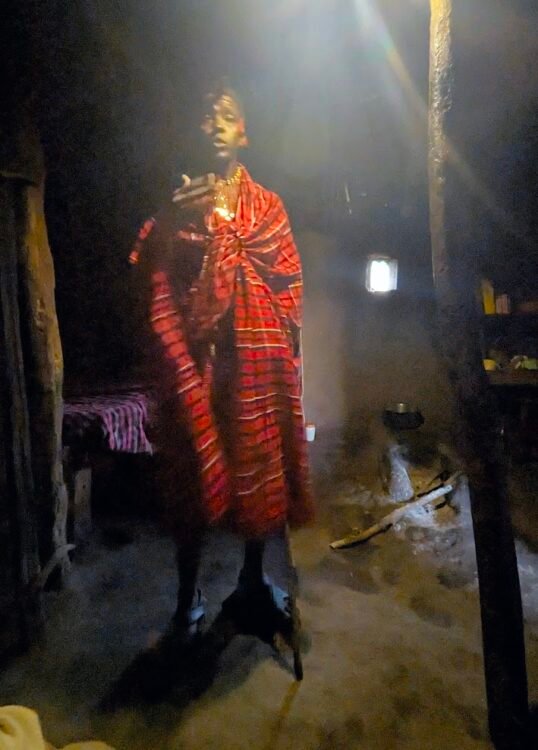
The guide explained their daily routines and family dynamics, offering a glimpse into a way of life that is both simple and deeply connected to tradition.
The Craft Market Experience
After the house visit, we were guided to a small market area where handmade crafts were displayed.
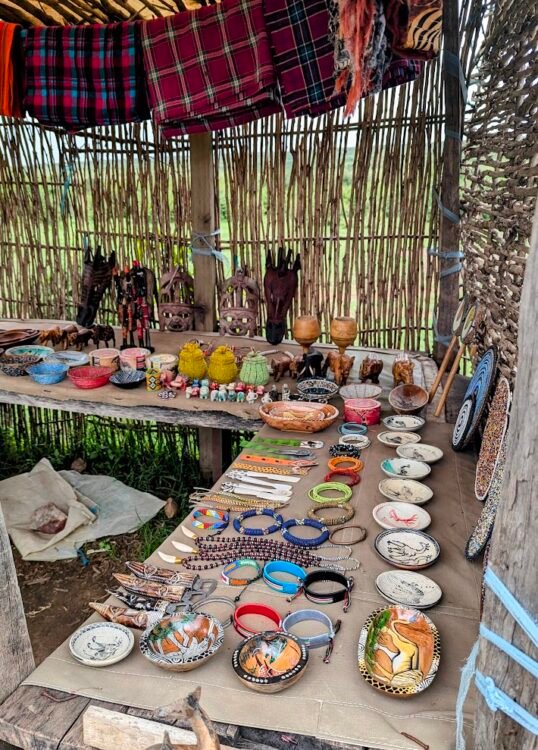
The women create beautiful items such as:
- Beaded necklaces and bracelets
- Wooden carved animals
- Bowls and utensils
- Other traditional handcrafted pieces
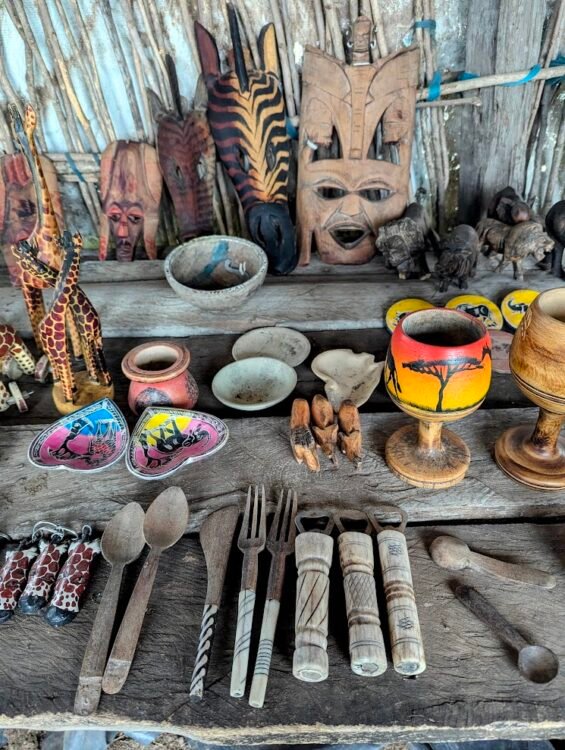
As you walk around selecting items, there are no visible prices. At the end, everything is calculated for you, and you can choose to bargain, accept, or politely decline.
Personally, I found this part a bit uncomfortable. I prefer it when prices are clearly displayed, as it makes the process feel more transparent and less pressured. In the end, we decided not to purchase anything.
Final Thoughts: Is It Worth Visiting a Maasai Village?
After the market, the visit ended, and we were escorted out of the village.
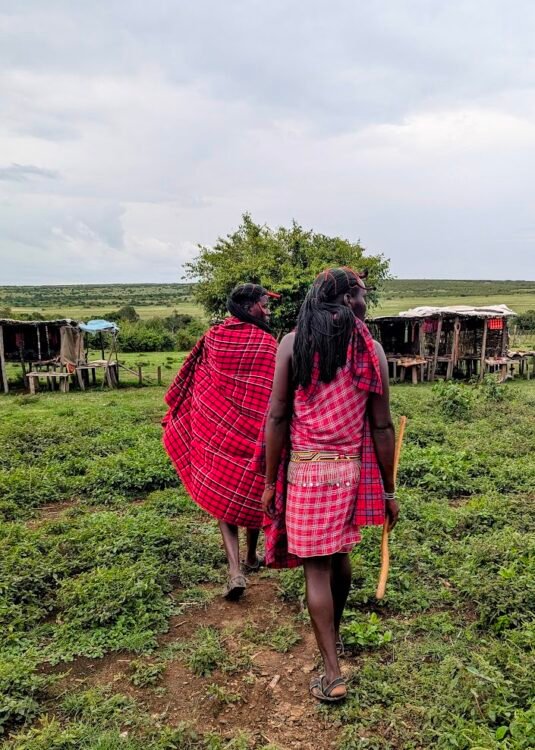
While I truly enjoyed the experience, I have to admit it felt shorter and less immersive than I had imagined. Interestingly, we had more meaningful and relaxed interactions with Maasai people at our safari camp and later during our stay near Amboseli National Park.
So, is it worth visiting a Maasai village?
Yes, absolutely.
Even though the experience is brief, it offers a unique cultural insight that is deeply connected to Kenya’s identity. If you enjoy learning about local traditions and experiencing different ways of life, it is definitely something you should include in your itinerary.