Is a DIY Atacama Desert Stargazing Trip Better Than a Guided Tour?
Mastering Your Atacama Desert Stargazing Trip: Honest DIY vs Tour Guide
The night skies above northern Chile are universally regarded as a paradise for astrotourism. Thanks to the hyper-arid climate, minimal light pollution, and high atmospheric altitude, an Atacama Desert stargazing trip is an absolute bucket-list experience. However, when travelling with an extended family (spanning three generations from an 8-year-old child to a grandmother in her early 80s), figuring out how to approach the experience safely and affordably requires careful planning.
On our very first day in San Pedro de Atacama, we decided that a nighttime activity was the ultimate way to unwind. Travel medical experts always advise keeping your first 24 hours low-strain to allow your body to naturally adjust to the thin air. Therefore, stargazing fits this requirement perfectly.
Initially, our budget-conscious family planned to skip the expensive commercial tours and handle everything ourselves. Ultimately, we changed our minds and experienced both options: a fully independent DIY self-drive and a premium organised astronomical tour. Here are our honest, step-by-step reviews, cost breakdowns, and safety playbooks for both strategies.
Option 1: The Independent, Self-Drive DIY Stargazing Route
Our first attempt to view the stars was a completely self-guided road trip using our rental vehicle.
Location #1: Valle de Marte (Mars Valley) Area
During our first afternoon, we scoped out locations and drove near the entrance of Valle de Marte. It was a swift, 4-minute drive from our accommodation, and the canyon surroundings felt deeply isolated.
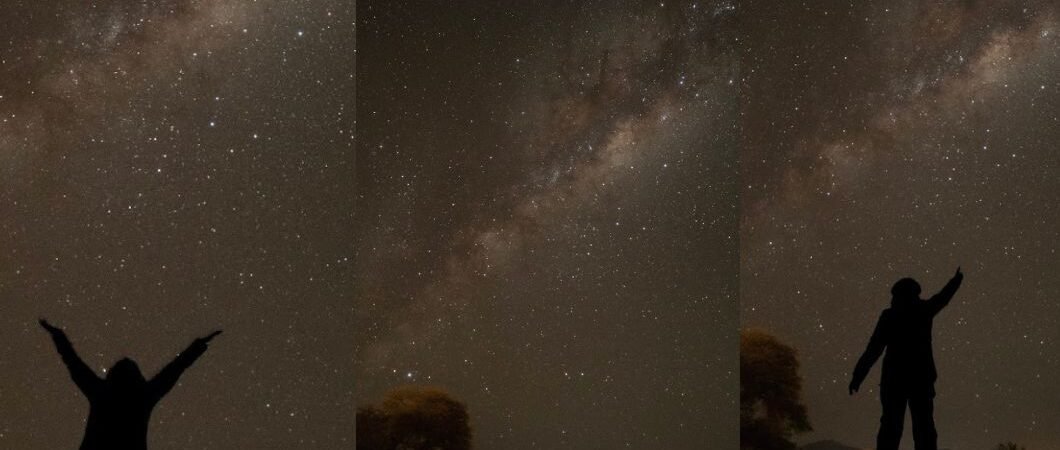
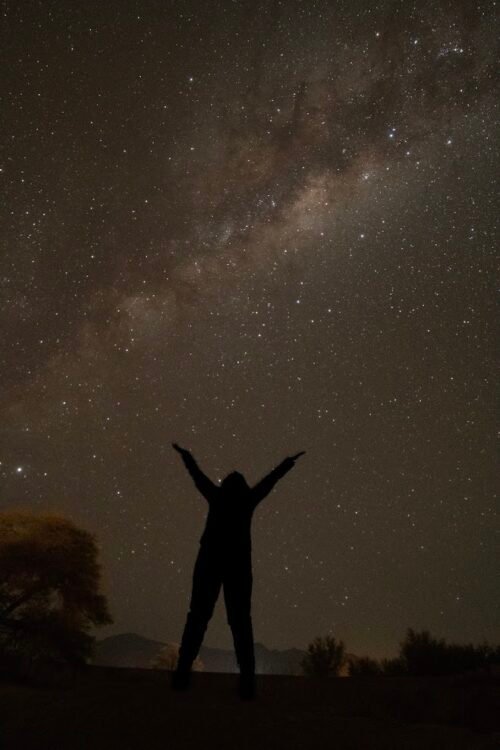
Once night fell, the sheer density of stars was completely mind-blowing. We spent 30 minutes staring into the ink-black sky, excitedly guessing constellations and trying to take pictures.
Location #2: The Coyo Oasis Outskirts
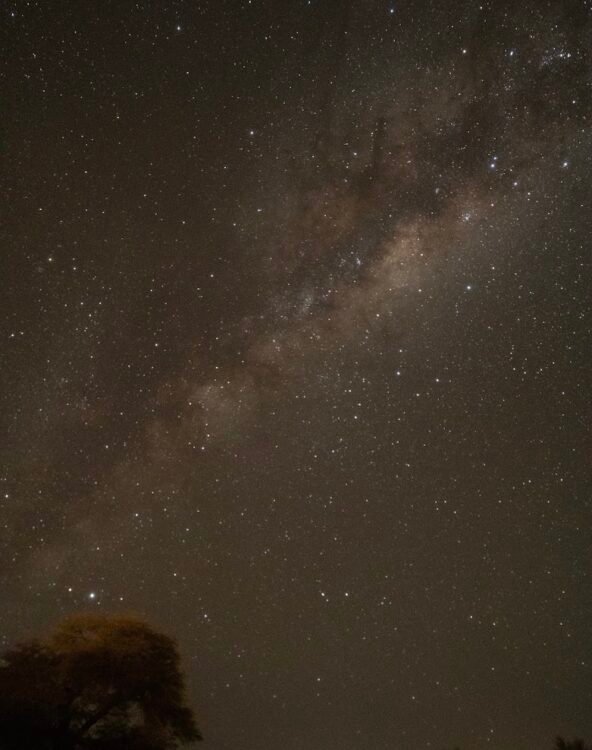
Seeking even darker conditions, we spent the second half of our Atacama Desert Stargazing Trip driving toward the rural outskirts of Coyo. Here, the view transformed from incredible to outright magical. The blazing core of the Southern Hemisphere’s Milky Way galaxy was vibrantly visible to the naked eye, and we were treated to a show of multiple bright shooting stars.
DIY Atacama Desert Stargazing Trip Locations
VALLE DE MARTE AREA
COYO OUTSKIRTS
4-minute drive from town
Deeply dark rural zone
Enormous naked-eye visibility
Milky Way core clearly visible
Perfect for a quick, initial view
Ideal spot for catching meteors
The Brutal Reality of Smartphone Night Photography
If you plan on capturing the desert night sky, your choice of camera equipment matters immensely. Our family put multiple devices to the test, and the results were highly surprising:
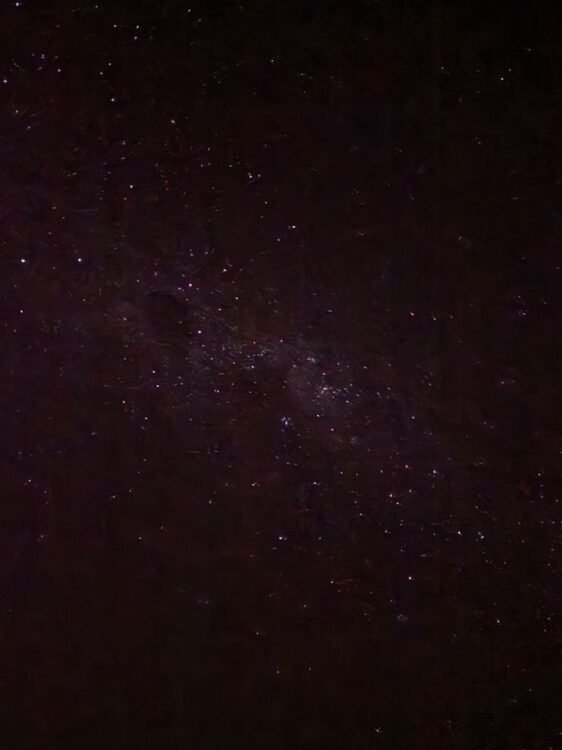
Google Pixel & Apple iPhones: Despite having good daytime cameras, our default night modes struggled significantly. They were unable to capture the crisp depth of the dark sky or the pinpoint accuracy of the stars.
The Winner—Samsung Galaxy S25: My daughter’s Samsung Galaxy S25 captured the most spectacular, crisp night sky images imaginable on a modern smartphone.
Mirrorless Cameras: I brought my professional Nikon mirrorless camera kit, but without a dedicated tripod, it was entirely useless. Even placing the camera flat on the roof of our rental SUV resulted in blurry, unsharp images due to tiny vibrations.
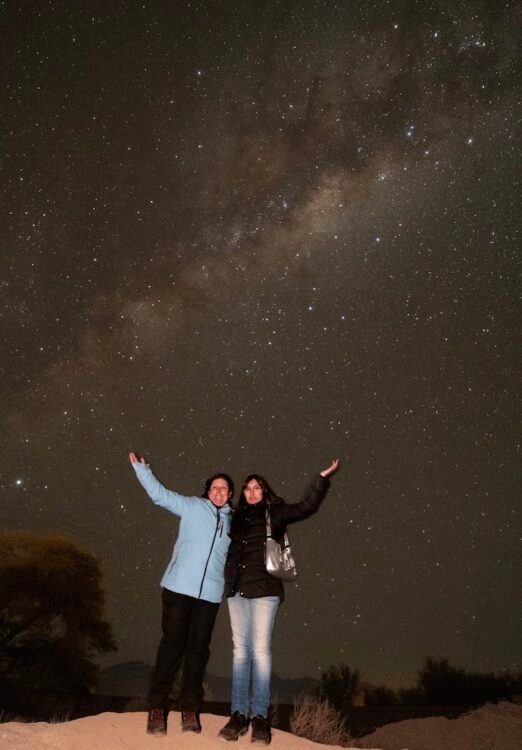
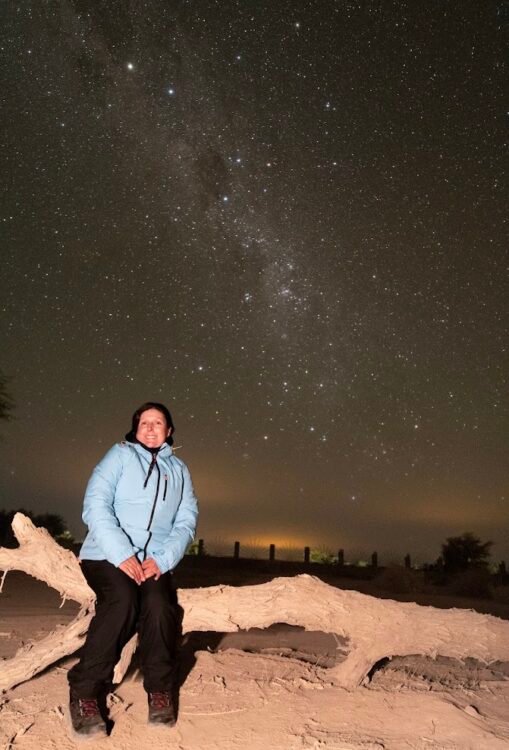
Pro Photography Tip: In order to get a sharp image of your family standing under the stars, have a family member stand to the side and softly cast a second smartphone’s torch light across the group. This provides perfect ambient side-lighting without blowing out the night sky background!
Option 2: The Fully Guided Astronomical Observatory Experience
While our independent drive was amazing, we left the desert floor wanting more context. We wanted to understand the cosmic science, identify individual star clusters, and learn the physics behind what we were seeing. The following day, we booked an organised tour through a local company. This tour was booked when we were walking on Calle Caracoles, the main street in San Pedro de Atacama.
The Cost: US$ 40 per person.
The Duration: A thorough 4+ hour experience.
The Logistics: A professional driver handled the dark desert transit, picking us up directly from our glamping site and taking us to a specialised open-air observatory.
The Atacama Desert Stargazing Trip Guided Tour Includes:
The 180-Degree Sky Lecture (1 Hour): Our session was kept small (around 10 people). We lay flat on specialised 180-degree reclining chairs while an expert astronomer utilised high-powered lasers to trace the path of the Milky Way, star clusters, and constellations.
Solstice and Planetary Shifts: The astronomer explained how the visibility of the cosmos entirely shifts between the Winter Solstice (June) and the Summer Solstice (December). Depending on the month, planets like Saturn or Jupiter rise visibly over the horizon.
High-Powered Telescopes: We moved to the viewing deck to look at distant nebulae and star nurseries through two massive, professional-grade telescopes.
Desert Midnight Refreshments: Our tour operator offered a gourmet spread of local cheeses, nuts, crackers, charcuterie, hot chocolate, tea, coffee, and Chilean red and white wine underneath the starlight.
Professional Astrophotography Portrait: The tour concluded with the guide taking professional, long-exposure photos of us across two distinct artistic backdrops, all included in the ticket price.
The Multi-Generational Verdict: Which Option is Best?
When travelling with a multi-generational group, you cannot approach stargazing with a “one-size-fits-all” mindset. Here is how our family broke down the target audiences:
Why Choose the DIY Self-Drive Option?
Best For: Young children (under 10), toddlers, or anyone lacking the patience for an hour-long scientific lecture.
The Breakdown: Our 8-year-old niece easily enjoyed the flexibility of the car. If kids get cold, tired, or bored, you can simply turn on the car heater and head home without wasting money or disrupting a tour group.
Why Choose the Guided Observatory Tour?
Best For: Teenagers, young adults, parents, and astronomy enthusiasts who want deep educational value.
Senior Accessibility Warning: We decided to leave my mother (in her early 80s) back at our warm ensuite glamping dome for this tour. The extreme midnight temperature drop combined with the uneven, unpaved terrain of the open-air observatory makes the guided tour physically taxing for fragile seniors.
To make it easy to choose, we designed this quick layout comparison:
Features & Logistics
DIY Self-Drive Experience
Guided Observatory Tour
Cost Profile
Fuel costs only
US$ 40 per person
Pacing & Rest
100% flexible; leave whenever
Fixed 4-hour schedule
Equipment Access
Naked-eye & phone apps
Dual massive deep-space telescopes
Inclusions
Family memories
Logistics, professional photos, food & wine
Child/Senior Friendly
High flexibility for all ages
Rugged terrain, very long duration
What to Pack: Defeating the Desert Midnight Cold
No matter which path you select, the single biggest obstacle is the weather. The Atacama Desert experiences extreme temperature drops immediately after twilight. To ensure your family remains safe and happy, dress in heavy, strategic layers:
Thermal Base Layers: Thermal trousers and long-sleeve tops are non-negotiable. I recommend the Uniqlo ones or Merino.
Top Insulation: Heavy winter coats, thick woollen scarves, and insulated hats (beanies).
Footwear: Thick woollen socks and solid, closed-toe walking shoes to buffer against the frozen desert ground. Merino socks are warm and soft.
Ultimately, experiencing the cosmos in northern Chile is a 100% worthwhile, once-in-a-lifetime adventure. Whether you view it through the window of a rental SUV or through the lens of a massive observatory telescope, the starry expanses of the Atacama Desert Stargazing Trip will change how you look at the universe forever.